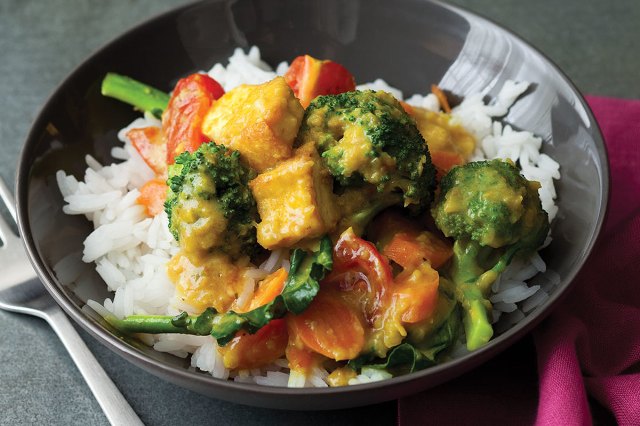
A Yellow Thai Curry, if made correctly, is one of the healthiest meals you can eat, no matter Thai or International meals. In Bangtao, Phuket most tourist Hotels and restaurants serve guests a minimalistic International version of a Thai Yellow Curry to suite the pallet, this goes for all green, red, panang and massaman curries also. So, to find the best, and authentic Thai food a suggestion is to leave the comfort of the main stream Hotels and restaurants around Bangtao, Phuket and venture out to find a typical Thai restaurant that mainly Thais or expats frequent.
Where did thai yellow curry originate
Thailand had its own indigenous curry dishes, called kaeng, but British curry powder, from India, gave them what the West now knows as yellow curry, rendered in Thai as kaeng kari (literally “curry curry”), and flavored with Indian ingredients like turmeric, cumin, and coriander. Those spices weren’t exactly new; Indian traders brought them to the region, along with Hinduism and Buddhism, more than 1,000 years before. But here the word “curry” came in, along with the powder.
A yellow curry can include Kale or spinach, garlic, broccoli, tofu, ginger, turmeric, Flex/Hemp/Chia seeds, mushrooms, brussel sprouts and carrots, which are all full of all the Vitamins and minerals you need per day.
Some of the ingredients also include a variety of Vitamins and minerals to help boost your brains immun system, is good for red blood cell heath, and closely related to helping people with Parkinson’s and Cancer. These include:
1) Omega-3 or 6: Tofu, spinach, Hemp seeds and flaxseeds.
2) Magnesium: Tofu, Chia and flax seeds, Kale or spinach and Coconut Milk
3) Vitamin D: Almond milk and Chanterelle, Portobello or Maitake mushrooms
4) Coenzyme Q10: Spinach, cauliflower and broccoli.
5) Reducing Homocysteine: Spinach, kale and broccoli
6) B6 / B12 Vitamins: Hemp seeds, Carrots, Almond and Coconut Milk, Sweet Potatoes, Long grain rice, Tofu and Broccoli
7) Vitamin A: chili powder, sweet potatoes and carrots.
8) Folate: long-grain rice, spinach, broccoli and brussel sprouts.
9) Iron: hemp, Chia or flax seeds, Tofu, spinach, kale, Broccoli or any other leafy greens
Ingredients
2 tablespoons coconut oil, olive oil, ghee, or 1 tablespoon of butter
1 cup organic coconut and ½ cup of almond milk
2 potatos (pre-cooked and chopped). Alternative is sweet potatoes or mix
1 ginger, minced
2 carrots (pre-cooked and sliced)
2/4, quarterd, brussel sprouts
1 14-ounce package extra firm cubed tofu, pressed, drained, cut in ¾-inch cubes (Tofu is a replacement for chicken or beef). If you need meat then 1 pound boneless skinless chicken breasts, cut into bite-sized pieces
½ c water
1 cup broccoli
3 small Chanterelle, Portobello or Maitake mushrooms, raw (Or one of each)
1 cup of Kale or spinach, or ½ of each.
1/2 head cauliflower (chopped)
1 tablespoon fresh ginger (grated or minced)
1/2 or 1 teaspoon sugar (or alternative)
3 cloves garlic (minced)
2 teaspoon / One large tablespoon of turmeric
1 or 2 teaspoons curry powder (Optional)
2 or 3 tablespoons chili sauce
1/3 teaspoon salt (use sea salt or kosher salt) (or alternative)
2 tablespoons of a mix of Flaxseeds, Chia and Hemp seeds
Ingredients of Thai Yellow Curry Paste
1/2 Lemongrass , sliced
2 Yellow Chillies (dried)
1/2 Cup Onion, chopped
1 Tbsp Garlic, chopped
1 tsp Coriander, powdered
1 tsp Mustard Seeds
3 Tbsp Fish Sauce
1/2 tsp Turmeric Powder
1 Tbsp Brown Sugar
2 Kaffir Lime Leaves, finely chopped
1 Tbsp Lemon Juice
1/4 Cup Coconut Milk
Place all ingredients, using just 3 ounces of coconut milk, in a food processor or blender. Add more coconut milk as needed to blend ingredients into a smooth paste or sauce. Process well.
Store in an airtight container in the refrigerator for up to 2 weeks (or longer).
You can also find very good, yellow, green or red curry pastes in local supermarkets such as: Tesco or Sainsburys, and online on Amazon.
Steps to Make It
Gather the ingredients.
1) First, place 2 tablespoons coconut oil, olive oil, or ghee and cook for 1 minute. You can use butter also. Then add 1/2 tablespoons of yellow curry paste (I like two), coconut / almond milk and Flax/Chia/Hemp mix and give it a quick stir. Bring the mixture to a slow simmer for 2/3 minutes more.
Add in the pre-cooked potatoes, carrots, mushrooms, rawkale, broccoli, and cauliflower (or whatever vegetables you are using) and allow the mixture to simmer for a few minutes, stirring once or twice.
Then add in the ginger, sugar, garlic, turmeric, curry powder, chili sauce, salt and stir to combine well, simmering once again for 2/3 minutes.
Then add tofu cubes and water (To thicken or suite) and continue stirring another minute.
Allow your yellow curry to continue to simmer and cook over medium-low heat for another 10 / 20 minutes, or until all the vegetables are all tender.
Taste, and adjust the seasonings to taste. You may want to add a bit more salt, or a squeeze of fresh lime juice or top it all off with some fresh chopped cilantro for serving.
Serve your prepared yellow curry over long-grain rice.
Health Aspects Of The Ingediance
Turmeric in Thai Cuisine
Curcumin, the active ingredient in turmeric, is known as an anti-inflammatory agent, helping to relieve allergy symptoms as well as arthritis (or any condition caused by excess inflammation). It is also a powerful anti-oxidant, that can protect the body from damage by toxins and free radicals. Curcumin also protects platelets in the blood, improving circulation and protecting the heart.
As such, turmeric has been known to:
- be a valuable digestive aid
- helps those with arthritis
- improve cardiovascular (heart) conditions
- protect the body from bacterial infections (such as wounds)
- fight skin and breast cancers in animal studies.
- Curcumin. In a lab study, Tumeric helps protect dopamine-producing brain cells by clamping down on a mutant Parkinson’s protein that tends to do in those cells.
To add more turmeric to your diet, try to eat curry (the kind that includes turmeric, like yellow curries) at least once a week.
Tofu in Thai Cuisine
Some people can’t rave enough about its health benefits, while others declare that it is a genetically-modified poison to be avoided at all costs. Tofu is a good source of protein and contains all nine essential amino acids. It is also a valuable plant source of iron and calcium and the minerals manganese, selenium and phosphorous. In addition, tofu is a good source of magnesium, copper, zinc and vitamin B1. Eating tofu may protect against a variety of health conditions, such as heart disease, diabetes, and even certain cancers.
| 73 kcal | 4.2g fat | 0.5g sat fat | 0.7g carbohydrate | 8.1g protein |
|---|
Hemp seeds (or organic powder)
hemp, for their high vitamin E content, which is a powerful antioxidant that is important in the prevention and treatment of Parkinson’s. Also, these oils contain rich amounts of the essential fatty acid omega 6, which helps reduce tremors. Hemp seeds also provide vitamin C, some B vitamins, and vitamins A and E.
Vitamins / Minirals include: Omega 6, Thiamine (B1), Riboflavin (B2), Niacin (B3), B6, Folate (B9), E, Calcium, Potassium, Phosphorous, Magnesium, Copper, Iron and Zinc.
Chia Seeds (or organic powder) in Thai Cuisine:
Despite their small size, chia seeds are full of important nutrients. They are an excellent source of omega-3 fatty acids, rich in antioxidants, and they provide fiber, iron, and calcium. Omega-3 fatty acids help raise HDL cholesterol, the “good” cholesterol that protects against heart attack and stroke.
Vitamins / Minerals include (values per 100 g): Omega-3 fatty acids, Folates (49 μg), Niacin (8.83 mg), Riboflavin (0.17 mg), Thiamin (0.62 mg), Vitamin A (54 IU), Vitamin C (1.6 mg), Vitamin E (0.5 mg), Calcium (631 mg), Copper (0.924 mg), Iron (7.72 mg), Magnesium (335 mg), Manganese (2.723 mg), Phosphorus (860 mg), Selenium (55.2 μg), Zinc (4.58 mg)
Spinach
Spinach is a superfood. It is loaded with tons of nutrients in a low-calorie package. Dark, leafy greens like spinach are important for skin, hair, and bone health.
They also provide protein, iron, vitamins, and minerals.
Vitamins include (Values per 100 gm): K, A, C and folate, as well as being a good source of manganese, magnesium, iron and vitamin B2. Minirals: Calcium, Copper, Iron, Magnesium, Manganese and Zinc
Substitutes: Kale, bok choy, romaine lettuce
Broccoli
Broccoli has long been touted as one of the healthiest veggies because of its nutritional makeup. This superfood is loaded with fiber, antioxidants to fight cancer, and vitamin C to aid in iron absorption.
Vitamins include: Folates (B9), Niacin (B3), Pantothenic acid (B5), Pyridoxine (B6), Riboflavin (B), Thiamin (B1), Vitamin A, Vitamin C, Vitamin E and Vitamin K, including folic acid. Minirals: Calcium, Copper, Iron, Magnesium, Manganese, Selenium and Zinc
Carrot
Benefits. Carrots contain vitamin A, antioxidants, and other nutrients. Evidence suggests that eating more antioxidant-rich fruits and vegetables, such as carrots, can help reduce the risks of cancer and cardiovascular disease. Carrots are also rich in vitamins, minerals, and fiber.
Vitamins include: Folates (B9), Niacin (B3), Pantothenic acid (B5), Pyridoxine (B6), Riboflavin (B), Thiamin (B1), Vitamin A, Vitamin C and Vitamin K.
Coconut Milk in Thai Cuisine
In recent years, coconut milk has somehow been given a bad reputation when, in fact, it is extremely healthy. Yes, coconut milk and oil contain fat – but this is good, not bad fat. Contrary to what you might believe, coconut milk:
- Lowers bad cholesterol (LDL), while promoting good cholesterol
boosts immunity - Modulates metabolic functions
- Provides valuable fatty acids which most people in the West are lacking
fights aging

 Restaurants & Food in Bangtao, Phuket