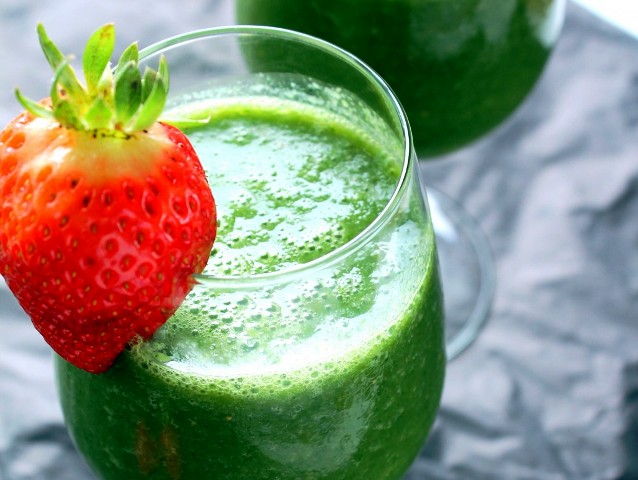
Thai (International) Health Detox Juice
This juice is one of the healthiest detox heath juices you can drink on a daily bases, and served in our recommended Phuket Restaurants and cafes.
Ingredients:
- 12 oz (Or one cup) of almond or hemp (Vegan) milk
- 1 med beetroot (Tops included) per serving. 100/150 mg of sliced beets
- 2 tablespoons of hemp seeds (30g)
- 2/3 med/large carrots
- 1 cup (Handfull) of fresh spinach
- 1.5 tablespoons of chia seeds
- 4/5 broccoli florets
- 5 small/medium strawberries
- 2/3 small banana
Instructions:
Add milk and then beetroot and carrots to blender and blend for 10/15 seconds, or until the Beetroot and carrot is blended. Then add spinach, chia seeds, hemp seeds, broccoli, strawberries and bananas, and then blend on high for 45 seconds. Using a slow juicer is best.
- Add more water or milk to suite thickness
- You can also use half/half almond & hemp milk
- You can also use: Organic Hemp, Carrot, Beetroot, Broccoli or Spinach powder.
- You can also split the ingredients and make into two separate drinks.
Nutritious aspects of the above ingredients
Hemp Milk
It’s lactose-, soy- and gluten-free and naturally rich in high-quality plant protein and essential fatty acids that may promote skin and heart health. Some commercial varieties are also fortified with vitamins and minerals. Overall, hemp milk can be an incredibly nutritious addition to a balanced diet.
Vitamins / Minerals include: Omega-3 fatty Acid, Vitamin A, All 10 Essential Amino Acids, Vitamin B12, Digestible Protein, Folic Acid, RDA of Calcium and Vitamin D
Almond Milk
Almond milk is a tasty, nutritious milk alternative that has many important health benefits. It is low in calories and sugar and high in calcium, vitamin E and vitamin D.
You can use almond milk in any way that you would use regular dairy milk.
Vitamins / Minerals include: High in Vitamin E, A Good Source of Calcium, Enriched with Vitamin D.
Spinach
Spinach is a superfood. It is loaded with tons of nutrients in a low-calorie package. Dark, leafy greens like spinach are important for skin, hair, and bone health.
They also provide protein, iron, vitamins, and minerals.
Vitamins include (Values per 100 gm): K, A, C and folate, as well as being a good source of manganese, magnesium, iron and vitamin B2. Minirals: Calcium, Copper, Iron, Magnesium, Manganese and Zinc
Substitutes: Kale, bok choy, romaine lettuce
Beetroot
Beetroot is of exceptional nutritional value; especially the greens, which are rich in calcium, iron and vitamins A and C. Beetroots are an excellent source of folic acid and a very good source of fibre, manganese and potassium.
Vitamins include: Folates (B9), Niacin (B3), Pantothenic acid (B5), Pyridoxine (B6), Riboflavin (B), Thiamin (B1), Vitamin A, Vitamin C, Vitamin E and Vitamin K. Minirals: Calcium, Copper, Iron, Magnesium, Manganese and Zinc
Words of caution: Beets are high in oxalate, which can contribute to gout, a type of arthritis that develops when too much uric acid builds up in the body.
Broccoli
Broccoli has long been touted as one of the healthiest veggies because of its nutritional makeup. This superfood is loaded with fiber, antioxidants to fight cancer, and vitamin C to aid in iron absorption.
Vitamins include: Folates (B9), Niacin (B3), Pantothenic acid (B5), Pyridoxine (B6), Riboflavin (B), Thiamin (B1), Vitamin A, Vitamin C, Vitamin E and Vitamin K, including folic acid. Minirals: Calcium, Copper, Iron, Magnesium, Manganese, Selenium and Zinc
Banana
Bananas are a great dietary source of potassium. … A potassium-rich diet can help lower blood pressure, and people who eat plenty of potassium have up to a 27%
lower risk of heart disease. Furthermore, bananas contain a decent amount of magnesium, which is also important for heart health.
- 1 average banana weighs 116 grams, peeled, so 2/3 bananas = 130/360 gm
Vitamins / Minerals include (Values per 100 gm): Folates (B9) (20 µg), Niacin (B3) (0.665 mg), Pantothenic acid (B5) (0.334 mg), Pyridoxine (B6) (0.367 mg), Riboflavin (B) (0.073 mg), Thiamin (B1) (0.031 mg), Vitamin A (64 IU), Vitamin C (8.7 mg), Vitamin E (0.10 mg), Vitamin K (0.5 µg)
Hemp Seeds
Hemp, for their high vitamin E content, which is a powerful antioxidant that is important in the prevention and treatment of Parkinson’s. Also, these oils contain rich amounts of the essential fatty acid omega 6, which helps reduce tremors.
Vitamins / Minirals include: Omega 6, Thiamine (B1), Riboflavin (B2), Niacin (B3), B6, Folate (B9), E, Calcium, Potassium, Phosphorous, Magnesium, Copper, Iron and Zinc.
Strawberries
Strawberries are an excellent source of vitamins C and K as well as providing a good dose of fibre, folic acid, manganese and potassium.
- One small / medium sized strawberry = between 7/12 grams so 5 strawberries = 32/60 gms.
Vitamins / Minirals includes (values per 100 g): Folates (B9) (24 µg), Niacin (B3) (0.386 mg), Pantothenic acid (B5) (0.125 mg), Pyridoxine (0.047 mg), Riboflavin (0.022 mg), Vitamin A (12 IU), Vitamin C (58.8 mg), Vitamin E (0.29 mg), Vitamin K (2.2 µg), Calcium (16 mg), Iron (0.41 mg), Magnesium (13 mg), Manganese (0.386 mg), Zinc (0.14 mg)
Chia Seeds
Chia seeds are full of important nutrients. They are an excellent source of omega-3 fatty acids, rich in antioxidants, and they provide fiber, iron, and calcium. Omega-3 fatty acids help raise HDL cholesterol, the “good” cholesterol that protects against heart attack and stroke.
Vitamins / Minerals include (values per 100 g): Omega-3 fatty acids, Folates (49 μg), Niacin (8.83 mg), Riboflavin (0.17 mg), Thiamin (0.62 mg), Vitamin A (54 IU), Vitamin C (1.6 mg), Vitamin E (0.5 mg), Calcium (631 mg), Copper (0.924 mg), Iron (7.72 mg), Magnesium (335 mg), Manganese (2.723 mg), Phosphorus (860 mg), Selenium (55.2 μg), Zinc (4.58 mg)
Carrot
Benefits. Carrots contain vitamin A, antioxidants, and other nutrients. Evidence suggests that eating more antioxidant-rich fruits and vegetables, such as carrots, can help reduce the risks of cancer and cardiovascular disease. Carrots are also rich in vitamins, minerals, and fiber.
Vitamins include: Folates (B9), Niacin (B3), Pantothenic acid (B5), Pyridoxine (B6), Riboflavin (B), Thiamin (B1), Vitamin A, Vitamin C and Vitamin K.
Vitamins / Minerals Suggested Daily Intake
|
Humans need a certain daily intake of food supplements. This page summarizes recommended daily intakes by various health experts and agencies in order to provide an overview of recommended daily allowances of all vitamins and minerals. |
||||||||||||||||||||||||||||||||||||||||||||||||||||||||||||||||||||||||||||||||||||||||||||||||||||||||||||||||||||||||||||||||||||||||
Recommended daily intakes of various food supplements
|
||||||||||||||||||||||||||||||||||||||||||||||||||||||||||||||||||||||||||||||||||||||||||||||||||||||||||||||||||||||||||||||||||||||||

 Restaurants & Food in Bangtao, Phuket